Contributing to Environmental Protection: A Green Solvent Revolution Through High-Tech Manufacturing
Health Risks and Regulatory Pressure Surrounding Conventional Solvents
As global standards for environmental protection and occupational safety continue to rise, the electronics, semiconductor, and energy industries are accelerating a “green solvent revolution.” While advanced manufacturing processes push technological limits ever further, many conventional processes still rely heavily on highly effective yet toxic and environmentally hazardous chemical solvents. These substances have increasingly become a major obstacle to sustainable industrial development. In the face of regulations such as the European Union’s REACH framework, U.S. EPA restrictions, and increasingly stringent ESG requirements, identifying and implementing environmentally friendly alternative solvents is no longer merely a matter of corporate responsibility, but also a key factor in maintaining competitiveness within global supply chains.
Over the past several decades, solvents such as NMP (N-Methyl-2-pyrrolidone), DMF (N,N-Dimethylformamide), THF (Tetrahydrofuran), and aromatic hydrocarbons including toluene and xylene have been widely used in photoresist stripping and wafer cleaning due to their excellent solvency. In the battery industry, particularly in lithium battery manufacturing, NMP has long been considered indispensable. However, both NMP and DMF have been shown to possess significant reproductive toxicity, chlorinated solvents such as dichloromethane carry carcinogenic risks, and toluene is associated with neurotoxicity. As a global semiconductor leader, TSMC has demonstrated a clear technological roadmap for green chemistry transformation and has publicly committed to fully replacing NMP by 2030. Meanwhile, the battery industry is moving toward “water-based” and “solvent-free” technologies to reduce dependence on NMP.
Diverse Alternatives: From Bio-Based Solvents to Stable Ether Systems
The industry is rapidly developing a wide range of alternatives that combine high solvency, low volatility, and low toxicity:
- Bio-based solvents:
Examples such as Cyrene (dihydrolevoglucosenone), Ethyl Lactate, NBP (1-Butyl-2-pyrrolidone), GVL (γ-Valerolactone), 2-MeTHF (2-Methyltetrahydrofuran), and TMO (2,2,5,5-Tetramethyltetrahydrofuran) offer excellent biodegradability and improved environmental profiles.
- Highly stable ether solvents:
Solvents including 2-MeTHF, CPME (Cyclopentyl Methyl Ether), and TMO not only exhibit greater chemical stability, but are also easier to recycle and recover.
- Water-based technologies:
By optimizing material formulations and integrating advanced process equipment technologies, manufacturers can fundamentally reduce the total consumption of organic solvents. Water can serve either as the primary solvent in material formulations or as the basis for aqueous cleaning systems in manufacturing processes.
| Structure | Name | Alternatives |
|---|---|---|
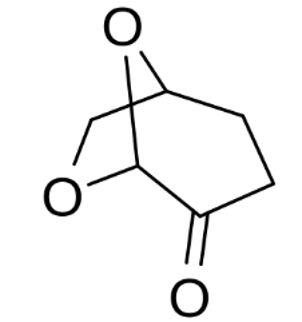 |
Cyrene CAS NO.: 53716-82-8 |
NMP DMF DMSO |
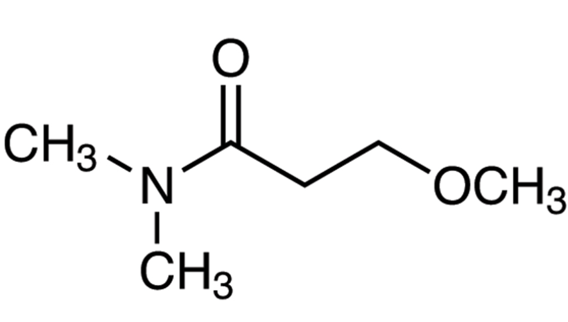 |
3-Methoxy-N,N-dimethylpropanamide CAS NO.: 53185-52-7 |
NMP DMF 2-P |
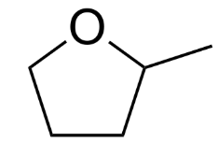 |
2-MeTHF CAS NO.: 96-47-9 |
THF Toluene/Xylene Halogenated solvents |
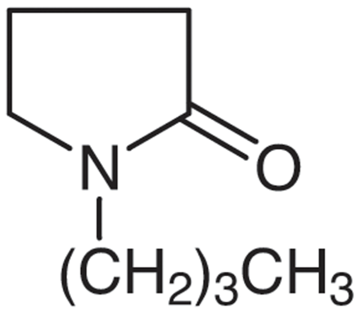 |
NBP CAS NO.: 3470-98-2 |
NMP DMF DMSO |
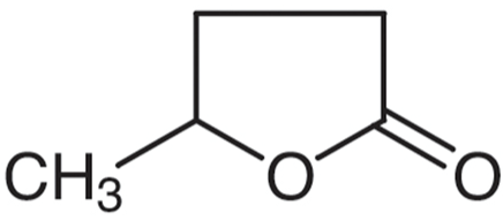 |
GVL CAS NO.: 108-29-2 |
NMP DMF DMSO |
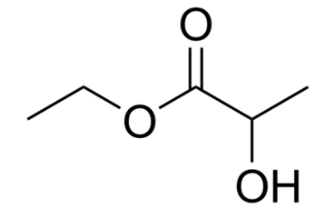 |
Ethyl lactate (EL) CAS NO.: 687-47-8 |
NMP Ethyl acetate/Acetone Toluene/Xylene |
.png) |
CPME CAS NO.: 5614-37-9 |
THF Toluene/Xylene Halogenated solvents |
.png) |
TMO CAS NO.: 15045-43-9 |
THF Toluene/Xylene Halogenated solvents |
The Way Toward a Green Supply Chain
In 2026, solvent selection is no longer determined solely by yield and cost considerations. With the widespread adoption of advanced packaging technologies such as CoWoS, solvent purity requirements have reached the ppt level, while environmental compatibility has become an essential criterion in the procurement standards of major international manufacturers.
Although implementing environmentally friendly alternative solvents presents initial challenges — including process parameter optimization, material formulation adjustments, and increased production costs — it is ultimately a necessary investment in protecting worker health, mitigating regulatory risks, and fulfilling ESG commitments. Choosing solvents with lower environmental impact represents an important contribution that every industry professional can make in balancing technological advancement with global sustainability.
#ESG #GreenSolvents #NMPReplacement #TolueneReplacement #DMFReplacement #THFReplacement #DMSOReplacement #DichloromethaneReplacement #CH2Cl2Replacement #Cyrene #2-MeTHF #NBP #GVL #EthylLactate #CPME #TMO
CONTACT US
Kelly Chemical Corporation
Electronics
TEL:(02)2762-1985 ext 11200
Online Message
Leave your contact information,
and we will get in touch with you soon.
Email Consultation
After receiving your email,
we will process it as soon as possible.send Email


